
Understanding the psychology behind gambling behavior in casinos
The allure of casinos
The environment in casinos is meticulously designed to captivate and engage visitors. From the vibrant colors to the enticing sounds of slot machines, every aspect works to create an atmosphere that is both stimulating and comforting. This ambiance triggers excitement, prompting individuals to explore and engage in gambling behavior. The sensory overload can lead to a state of heightened arousal, encouraging players to keep betting in hopes of a big win. For those interested in convenience, the betflare mobile version provides an accessible way to enjoy these experiences anywhere.
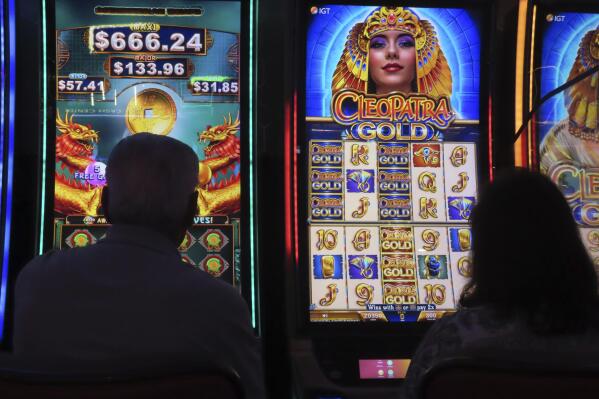
This allure is further amplified by the presence of social interactions. Casinos are often bustling with activity, making them attractive spaces for individuals seeking entertainment and social engagement. The combination of sensory stimulation and social dynamics can drive impulsive gambling behaviors, as players become immersed in the thrill of the moment.
Cognitive biases at play
Cognitive biases significantly influence gambling behavior, leading players to make irrational decisions. One prominent bias is the illusion of control, where gamblers believe they can influence the outcome of games, even in purely chance-based situations. This belief fosters an overestimation of one’s skill, often leading to increased betting and longer gaming sessions.
Another common cognitive bias is the gambler’s fallacy, where individuals believe that past events can affect future outcomes. For example, a player might think that after a series of losses, a win is “due.” These cognitive distortions can perpetuate gambling behavior, resulting in a cycle of betting that is difficult to break.
The role of rewards and reinforcement
Casinos strategically employ reward systems to reinforce gambling behavior. The immediate gratification that comes from small wins or bonuses keeps players engaged and encourages them to continue playing. This system of reinforcement, often seen in slot machines, creates a sense of anticipation that can lead to prolonged gambling sessions.
The brain’s reward system plays a vital role in this process. When players experience a win, their brains release dopamine, a neurotransmitter associated with pleasure and reward. This release not only reinforces the behavior but also makes it more likely that players will return for more, seeking the same euphoric experience again.
The impact of design and layout
The physical design of casinos contributes significantly to gambling behavior. The layout is often intentionally disorienting, making it difficult for players to find exits and encouraging them to stay longer. The strategic placement of games, along with the lack of clocks and windows, creates a timeless environment where players lose track of time.
Furthermore, the use of comfortable seating and ambient lighting enhances the overall experience, making it easy for players to settle in and lose themselves in the gaming experience. This careful design, combined with psychological principles, effectively traps individuals in a cycle of continued play, often leading to increased spending.

Betflare: A responsible gaming experience
At Betflare, the focus is on providing a safe and enjoyable gaming environment. Understanding the psychology behind gambling behavior allows the platform to implement measures that prioritize responsible gaming. This includes offering support resources, tools for managing gameplay, and promoting awareness around the potential risks of gambling.
With a vast selection of games and a commitment to player safety, Betflare ensures that users can enjoy their gaming experience without compromising their well-being. By fostering a responsible gaming culture, Betflare positions itself as a leader in the online casino space, making player satisfaction a top priority.
Leave a Reply